Many Software teams face pressure to deliver the application faster, optimize performance, reduce cloud costs and improve the developer productivity. As organizations scale their cloud infrastructure, DevOps often struggle to keep same pace with growing application complexity.
To overcome this issue, we have concept of Platform Engineering, one of the fastest growing technologies in cloud computing and software development.
With the help of Platform Engineering, developers can build, deploy applications without requiring deep expertise in Kubernetes, infrastructure and other cloud technologies.
In this guide, you’ll learn what Platform Engineering is, why it matters, how it differs from DevOps, and why many big organizations consider it the future of cloud infrastructure in 2026.
Table of Contents
- What Is Platform Engineering?
- Why Platform Engineering Is Growing
- Platform Engineering vs DevOps
- What Is an Internal Developer Platform (IDP)?
- Core Components of Platform Engineering
- Benefits of Platform Engineering
- Platform Engineering Architecture
- Real-World Use Cases
- Popular Platform Engineering Tools
- Challenges and Best Practices
- The Future of Platform Engineering
- FAQs
- Conclusion
What Is Platform Engineering?
Platform Engineering is the practice of building and maintaining internal application or platform that simplify the process of the software development and cloud operations.
Traditional DevOps do the manually configure infrastructure, deployment pipelines, security mitigation and monitoring tools it requires a lot of time to develop the applications and productivity of the developers also reduce.
Instead of the manual work Platform Engineering teams provide the standard platform so that developers can more focus on the business logic and improve the performance of the application.
The goal is to improve:
- Developer Experience
- Application Performance
- Deployment Speed
- Reliability
- Security
Why Platform Engineering Is Growing
Cloud applications have many complexity and issues. In modern Development environments include:
- Kubernetes
- Containers
- Infrastructure
- CI/CD Pipelines
- Security Policies
- Multi-Cloud Deployments
- Monitoring Tools
Managing all these can slow down the development so Platform Engineering solves these problems by creating reusable service infrastructure capabilities.
Advantages of adopting the Platform Engineering includes:
- Faster deployments
- Improved developer productivity
- Better governance
- Lower cloud costs
- Provide reliability and security
Platform Engineering vs DevOps
Platform Engineering builds upon DevOps concepts.
| Feature | DevOps | Platform Engineering |
| Primary Goal | Collaboration | Developer Productivity |
| Focus | Processes & Culture | Internal Platforms |
| Users | Development & Operations Teams | Developers |
| Infrastructure Access | Direct | Self-Service |
| Complexity Management | Shared Responsibility | Platform Abstraction |
| Developer Experience | Important | Core Objective |
What Is an Internal Developer Platform (IDP)?
An Internal Developer Platform (IDP) is the foundation of Platform Engineering.
An IDP provides developers with capabilities :
- Creating reusable Services
- Deploying Applications
- Provisioning Databases
- Monitoring Systems logs
- Managing Secrets and Security
- Configure Infrastructure
Developers communicate with the interface while Platform handle complex infrastructure behind the scenes.
Platform Engineering Architecture
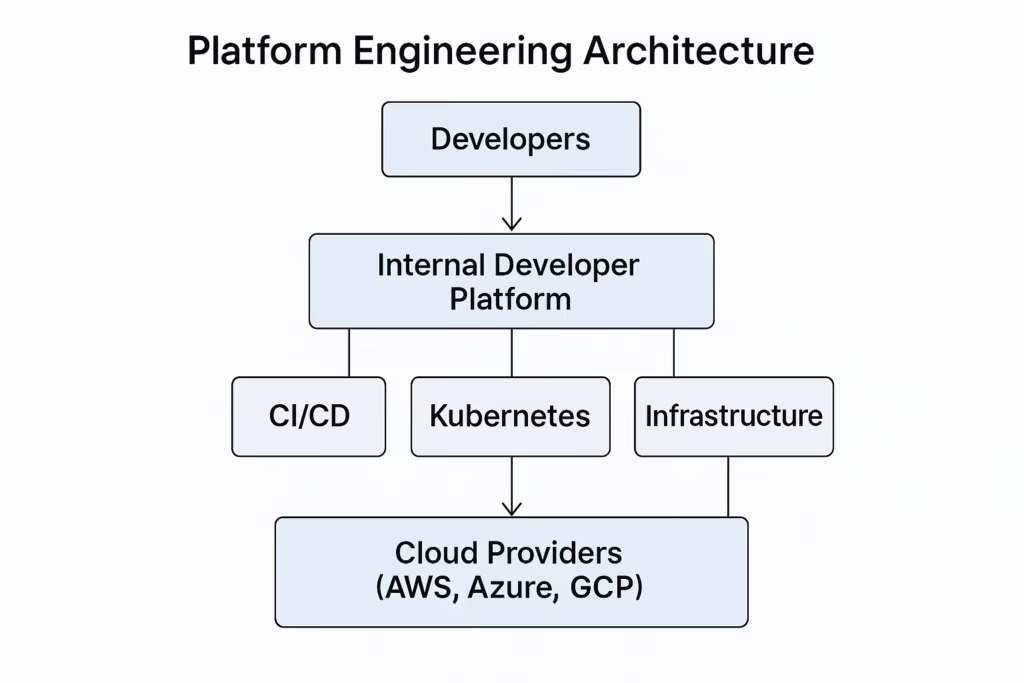
The platform acts as a layer between developers and infrastructure.
Core Components of Platform Engineering
1. Self-Service Infrastructure
Developers can provision resources without opening tickets.
Examples:
- Storage
- Databases
- Kubernetes Clusters
2. CI/CD Automation
Automated pipelines handle:
- Building
- Deployment
- Rollbacks
- Testing
3. Infrastructure as Code (IaC)
Infrastructure is handle by code using tools such as :
- Terraform
- Pulumi
- OpenTofu
Benefits include:
- Version Control
- Repeatability
- Auditability
4. Observability
Monitoring the system is critical part.
Typical observability stack includes:
- Metrics
- Alerts
- Traces
- Logs
Popular tools:
- Prometheus
- Grafana
- OpenTelemetry
5. Security Automation
Platform teams embed security into the workflow so that every service can use that without manually setup.
Examples:
- Secret Management
- Vulnerability Scanning
- Access Controls
Benefits of Platform Engineering
Improved Developer Experience
Developers can focus more on the logic of the application instead of the infrastructure.
Faster Delivery
Automated task improve the fast deployments.
Consistency
Standardized environments reduce the configuration drifts
Better Security
Security controls become part of the platform rather than manual processes.
Reduced Cloud Costs
Standardized infrastructure helps to reduce the unused services and cost of the services.
Real-World Use Cases
SaaS Companies
Large SaaS organizations use Platform Engineering to help hundreds of developers.
Benefits:
- Faster onboarding
- Consistent deployments
- Reduced support burden
- Improve performance of the applications
Enterprise Organizations
Enterprises organization use Internal Developer Platforms to standardize cloud operations across multiple teams.
AI and Machine Learning Teams
Platform Engineering simplifies:
- Model Deployment
- GPU Provisioning
- Data Pipelines
- AI Infrastructure
Popular Platform Engineering Tools
Infrastructure
- Terraform
- Pulumi
- OpenTofu
Container Orchestration
- Kubernetes
- OpenShift
CI/CD
- GitHub Actions
- GitLab CI
- Jenkins
- Argo CD
Observability
- Prometheus
- Grafana
- OpenTelemetry
Developer Portals
- Backstage
- Port
- Cortex
The Future of Platform Engineering
As applications grows we need to scale the cloud infrastructure also so it will become more complex , Platform Engineering is becoming the standard practice in organizations.
Emerging trends include:
- AI-Powered Developer Platforms
- Deployment Automation
- Platform Analytics
- AI Agent Integration
Organizations invest in Platform Engineering today will be better to scale the cloud infrastructure efficiently in the AI future.
Frequently Asked Questions
What is Platform Engineering?
Platform Engineering is the practice of building internal platforms that simplify software development and cloud operations.
Is Platform Engineering replacing DevOps?
No. Platform Engineering extends DevOps by creating self-service platforms that improve developer productivity.
What is an Internal Developer Platform?
An Internal Developer Platform (IDP) provides developers with self-service tools for infrastructure, deployment, monitoring, and operations.
Why is Platform Engineering important?
It reduces complexity, improves developer experience, and accelerates software delivery.
Which companies use Platform Engineering?
Many large technology companies and enterprises use Platform Engineering to support cloud-native development at scale.
Conclusion
Platform Engineering is become one of the most trends in cloud application. By providing self-service infrastructure, automated workflow, reduce cost of cloud operations, Platform Engineering forces organization to use the standard practice for the cloud infrastructure.
It provides the better scalability, operational efficiency and improve the developer experience.
Whether you’re a cloud engineer, DevOps professional, software architect, or engineering leader, understanding Platform Engineering is becoming critical for building the next generation of cloud-native applications with AI uses.
[…] the right DevOps tools is essential for DevOps, cloud, and platform engineers to remain competitive in […]