Credit Rating in india is the valuation of the credit worthiness of an individual or of a business unit or of an instrument of a business based on relevant factors indicating ability and willingness to pay obligations as well as net worth.
India holds the lowest investment- grade sovereign credit ratings across all major global agencies. S&P rates India at BBB, Moody’s at Baa3, and Fitch at BBB. The sovereign rating history for India’s long term foreign currency debt reflects a trajectory from speculative to lower tier- investment grade.
Credit rating is done by various financial institutions and accordingly they provide loan and other related services to the individual or company. If any person has defaulted in making any payments regularly then same is sent to credit bureau and the case is appeared in the history of the individual and accordingly if he applies for any credit then he is not being allowed.
Table of Contents
- What is Credit Rating?
- Objectives of Credit Rating
- Features of Credit Rating
- Role of Credit Rating
- What is a Credit Rating Agency (CRA)?
- SEBI Regulations for Credit Rating Agencies
- Major Credit Rating Agencies in India
- Registration of Credit Rating Agencies
- Code of Conduct for Credit Rating Agencies
- Appointment of Compliance Officer
- Conclusion
- Frequently Asked Questions (FAQs)
What is Credit Rating in india?
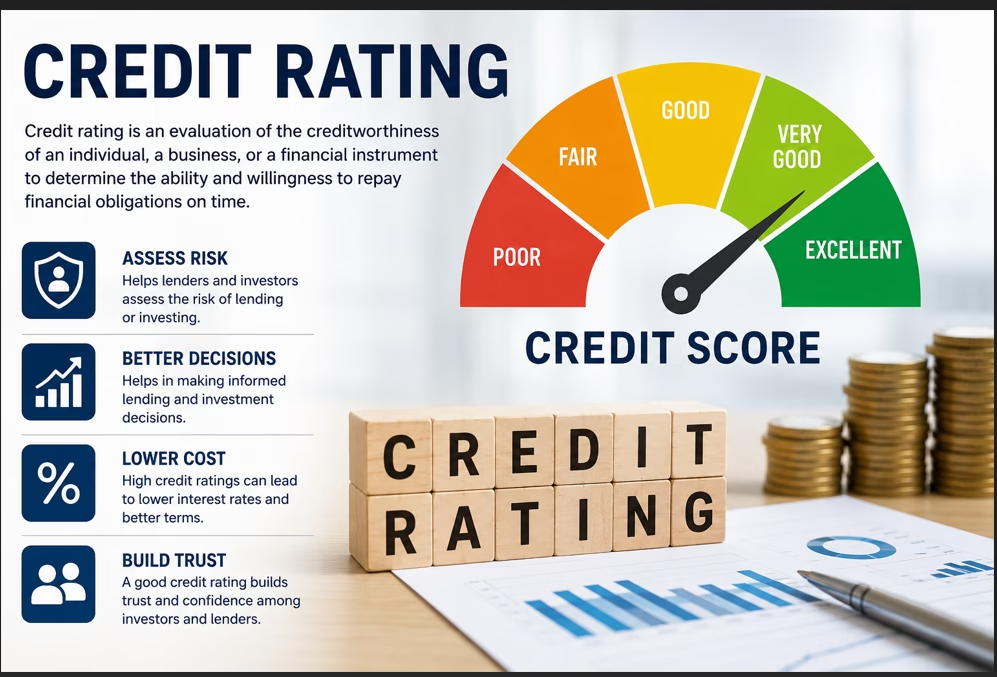
A Credit Rating is an independent check of the creditworthiness of an individual, business organization, or financial instrument. It examines the borrower’s ability and willingness to repay debt obligations based on factors such as financial performance, repayment history, liquidity, and net worth.
Credit ratings are represented by symbols such as AAA, AA, A, BBB, and others. These symbols indicate the relative level of risk associated with an investment. Higher the rating lower the credit risk and vice versa.
What is a Credit Rating Agency (CRA)?
Credit Rating Agency means a body corporate which is involved in or intends to be engaged in the business of rating of securities that are listed or proposed to be listed on a stock exchange recognized by SEBI.
SEBI Regulations for Credit Rating Agencies
To ensure transparency, independence, and investor protection, SEBI has established various regulations governing Credit Rating Agencies.
- Every CRA must maintain a minimum net worth of ₹25 crore.
- A Credit Rating Agency cannot rate securities issued by its own promoter, ensuring independence and avoiding conflicts of interest.
Major Credit Rating Agencies in India
India has several recognized Credit Rating Agencies that provide ratings across various financial instruments. Some of the leading agencies include:
1. CRISIL
CRISIL is India’s first and one of the most trusted credit rating agencies. It provides ratings, research, and risk management services.
2. ICRA
ICRA offers credit ratings, grading services, and analytical solutions for companies and financial institutions.
3. CARE Ratings
CARE Ratings provides independent credit ratings for corporate debt, bank loans, financial institutions, and infrastructure projects.
4. India Ratings & Research (formerly Fitch Ratings India)
This agency specializes in providing credit ratings and research services across multiple sectors.
5. Standard & Poor’s
Standard & Poor’s is a globally recognized rating agency known for evaluating sovereign and corporate credit risk.
Registration of Credit Rating Agencies
A Certificate of Registration from SEBI should be received by the company who intends to carry out the business of credit rating in India as it is a mandatory thing.
Code of Conduct for Credit Rating Agencies
To maintain fairness, transparency, and public confidence, Credit Rating Agencies are required to follow a strict code of conduct.
1. Maintain Integrity and Fairness
Credit Rating Agencies should conduct the business of credit rating with full transparency and unbiased manner.
2. Provide Independent Ratings
Ratings should not be biased; it should be done on independent judgement.
3. Exercise Due Diligence
Credit Rating Agencies must carefully check the financial statements.
4. Avoid Conflicts of Interest
Any potential conflict involving members of the rating committee must be informed to the client.
5. Prevent Unfair Competition
CRAs should never indulge clients by promising higher ratings than competing agencies.
Appointment of a Compliance Officer
It is mandatory to appoint a compliance officer who will be responsible for monitoring the compliance of the act, rules and regulations, notifications, guidelines, instructions etc issued by SEBI or the Central Government. The compliance officer should immediately and independently report to SEBI any non- compliance observed by him. He should ensure due diligence and proper compliance and corporate governance being taking place or not.
Conclusion
Credit Rating is an important aspect of India’s financial system. It helps investors to know the risk associated with various debt instruments while helping companies to raise funds more efficiently.
Frequently Asked Questions (FAQs)
What is Credit Rating?
Credit Rating is an independent examination or assessment of the creditworthiness of an individual, company, or financial instrument based on its ability to repay debt obligations. It helps us identify if debt should be provided to the concern person or not. It is very important feature and technique so as to help the financial institutions in checking the credit history of person and should not get in to loss.
What is the minimum net worth required for a Credit Rating Agency in India?
A Credit Rating Agency must maintain a minimum net worth of ₹25 crore to regulate a business in India.
Name some major Credit Rating Agencies in India.
Major Credit Rating Agencies include CRISIL, ICRA, CARE Ratings, India Ratings & Research, and CIBIL.